If I’m honest, sometimes we all just need a bit of a kick up the bum.
Not a dramatic life overhaul. Not a silent retreat in the mountains. Just a gentle nudge to stop talking about doing good things and actually… doing them.
For me, ES10 — Eden Smith’s 10-year anniversary volunteering initiative — has been exactly that. A very welcome kick up the bum.
It’s also helped me combine two goals I’ve been meaning to prioritise:
- Getting outside and walking every day
- Doing something that gives back with purpose
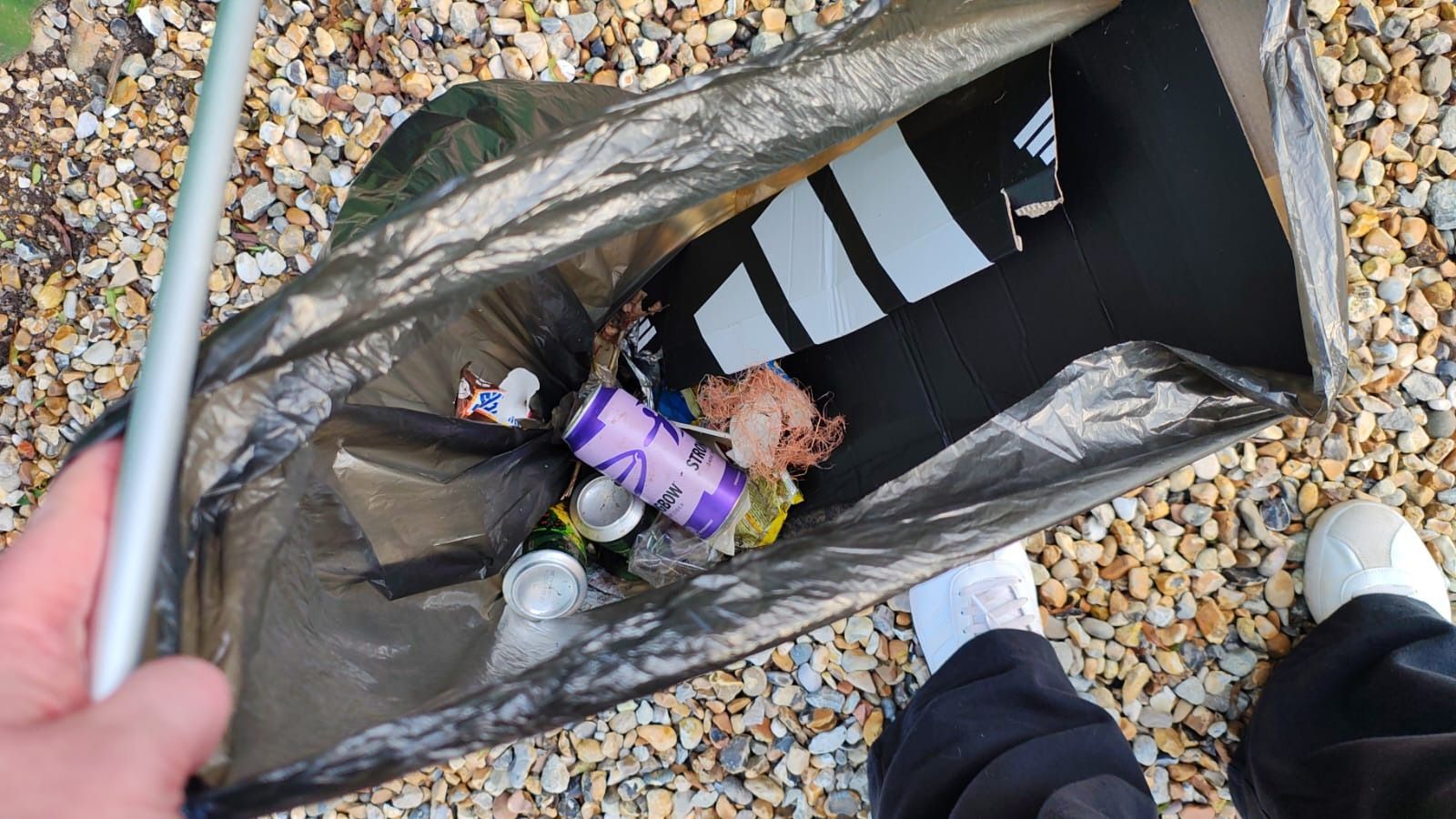
So I decided to start litter picking on my daily walks.
Now, I live in the countryside. The sort of place people escape to in order to get away from the pollution of the city. Rolling fields. Quiet lanes. Fresh air. The kind of setting that suggests litter would be a rare and mysterious phenomenon.
Naturally, I assumed the culprits were obvious.
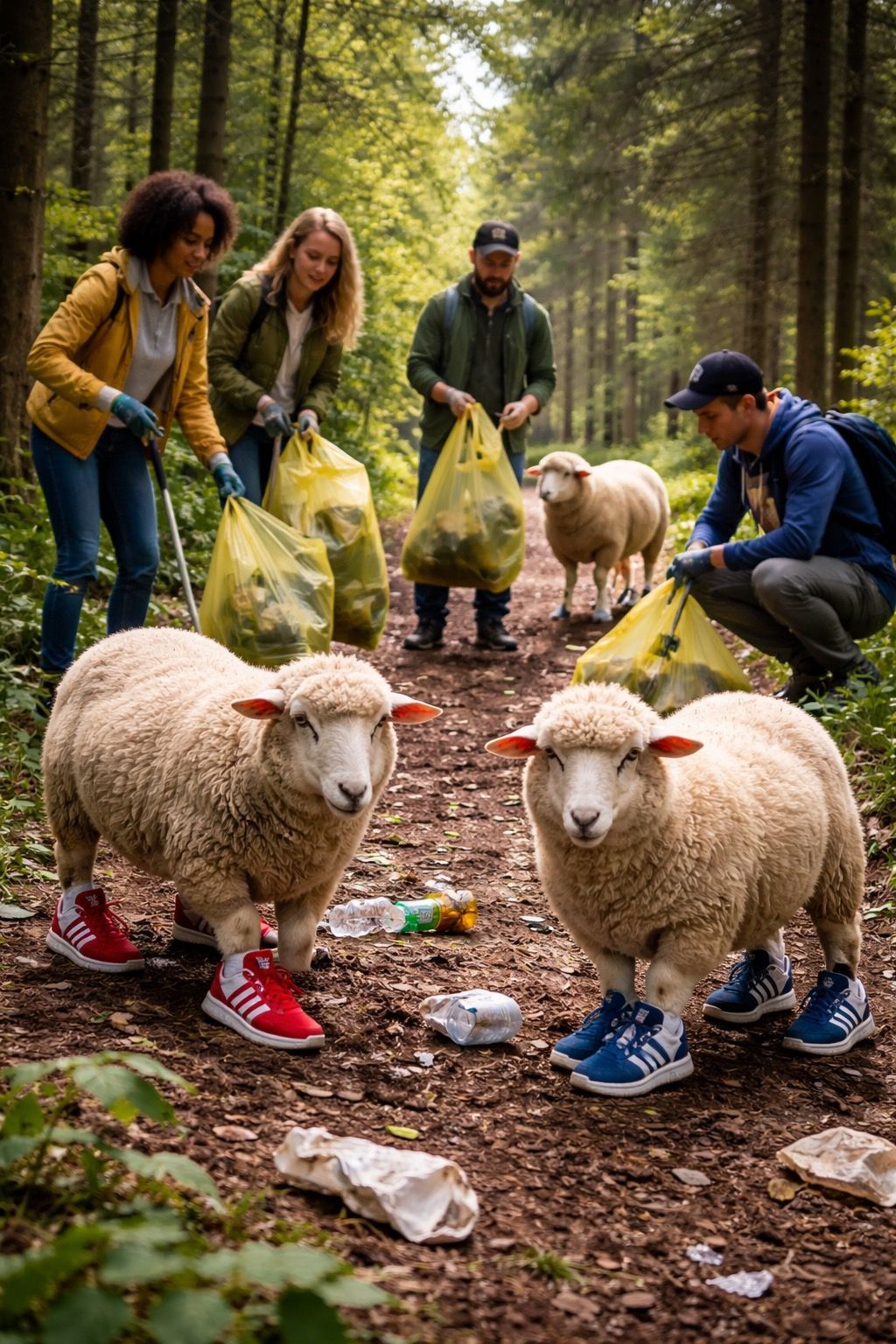
Clearly it’s the Adidas-wearing, cider-swilling, crisp-popping sheep that roam the surrounding fields causing all the havoc.
I mean, have you seen them? Suspiciously casual about the whole thing.
Unfortunately, after several weeks of investigation (and the sheep maintaining a firm policy of plausible deniability), it turns out the responsibility probably lies a little closer to home with the humans passing through.
But rather than dwelling on that, I’ve been quietly enjoying the process of doing something small that makes a visible difference.
Because here’s the interesting thing: litter picking is oddly satisfying.
There’s a strange joy in turning a walk into a mini mission. Spotting something in a hedge, retrieving it, and leaving the place just that little bit better than you found it. It’s simple. It’s tangible. And it reminds you how small actions add up.
That said, like any good field experiment, there have been a few learnings along the way.